Cold storage encompasses temperature-controlled refrigeration and freezer systems engineered to maintain sample viability, enzymatic activity, and biological integrity over short-term and archival timeframes. In clinical, pharmaceutical, and biological research laboratories, storage failure carries severe consequences for irreplaceable patient specimens and long-term experimental cohorts.
Laboratory Cold Storage Tiers
- Laboratory Refrigerators (+2°C to +8°C): Designed for short-term reagent storage, culture media, antibodies, and clinical blood bags. Unlike domestic refrigerators, laboratory units provide forced-air circulation to prevent temperature stratification and eliminate hot/cold spots.
- Standard Laboratory Freezers (-20°C to -30°C): Utilized for enzyme stocks, routinely accessed primers, cDNA libraries, and routine biological samples. Manual defrost units are strongly preferred over auto-defrost frost-free models to prevent cyclic thermal spikes that degrade biomolecules.
- Ultra-Low Temperature Freezers (-80°C ULT): The standard for archival preservation of DNA, RNA, viral stocks, patient biopsies, and recombinant cell stocks. High-reliability dual-cascade or Stirling refrigeration systems maintain steady -80°C environments even during frequent door openings.
- Cryogenic Liquid Nitrogen Storage (-150°C to -196°C): Vapor or liquid phase LN2 storage preserves mammalian cell lines, stem cells, and cord blood below the glass transition temperature of water (-130°C), halting all metabolic and enzymatic degradation indefinitely.
Critical Engineering Features
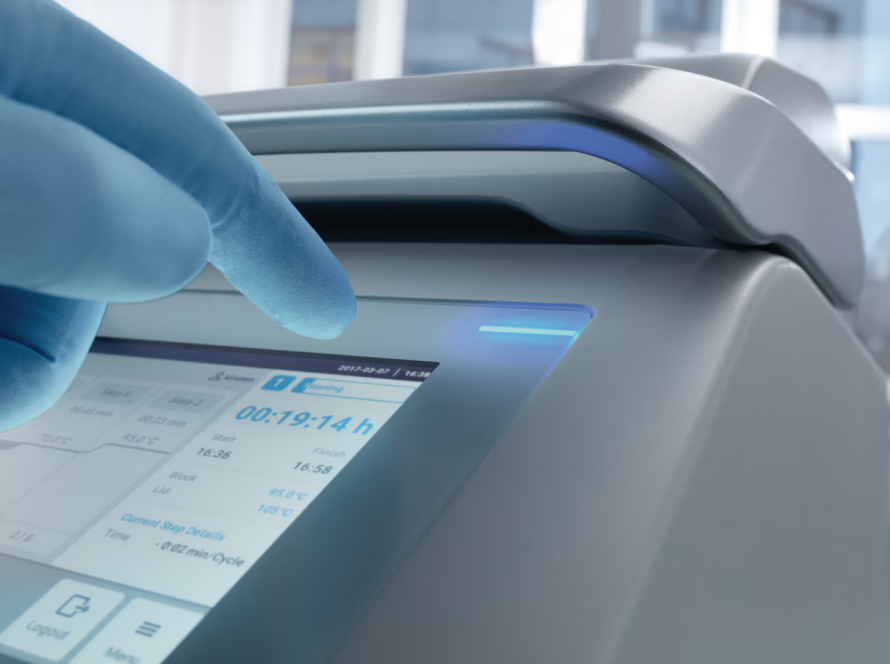
- Microprocessor temperature controllers with digital display and independent high/low alarm triggers.
- VIP (Vacuum Insulation Panel) technology to maximize internal storage volume while reducing cabinet footprint and heat dissipation.
- CO2 / LN2 backup injection systems and automated monitoring integrations to protect contents against power grid interruptions.
View our PHCbi ultra-low temperature and biomedical freezers on the IBS Product Catalogue.